The retail sector is undergoing significant transformation driven by technological advancements. E-commerce has surged, altering traditional shopping behaviors. Artificial intelligence is personalizing consumer interactions, while augmented reality is redefining in-store experiences. Furthermore, automation and data analytics are optimizing operational efficiencies. These developments present a complex landscape of both challenges and opportunities for retailers. Understanding the implications of these changes is crucial for navigating this evolving marketplace. What strategies can businesses adopt to thrive in this new environment?
The Rise of E-Commerce and Online Shopping
How has the rapid advancement of technology reshaped consumer behavior?
The surge in mobile shopping exemplifies this transformation, as consumers increasingly favor the convenience of online platforms.
Data indicates that over 70% of consumers utilize their smartphones for purchasing, shifting traditional retail dynamics.
This evolution demands retailers adapt strategies to meet the expectations of a more mobile-centric, freedom-seeking consumer base, ultimately redefining market engagement.
Personalization Through Artificial Intelligence
As retailers increasingly harness the capabilities of artificial intelligence (AI), the landscape of personalization is undergoing a profound transformation.
By analyzing customer insights, AI enables businesses to offer tailored recommendations that resonate with individual preferences.
This data-driven approach not only enhances customer satisfaction but also drives loyalty, allowing retailers to engage consumers on a deeper level and create a more personalized shopping experience.
Enhancing In-Store Experiences With Augmented Reality
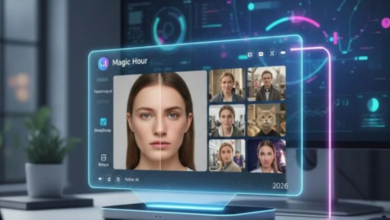
The integration of augmented reality (AR) into retail environments marks a significant evolution in the way consumers interact with products and brands.
Virtual try ons empower shoppers to visualize items before purchase, enhancing decision-making.
Meanwhile, interactive displays engage consumers, providing immersive experiences that drive foot traffic and increase sales.
This technological shift not only elevates consumer engagement but also fosters loyalty in an increasingly competitive market.
Read also: How Technology Is Transforming Human Resources
Streamlining Operations With Automation and Data Analytics
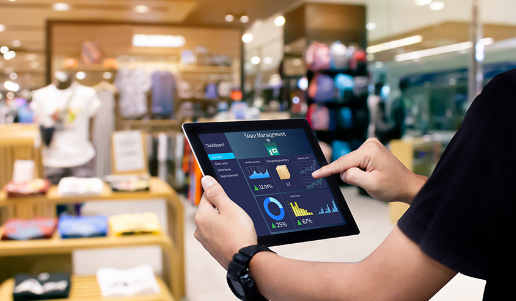
Streamlining operations through automation and data analytics revolutionizes retail efficiency and decision-making.
By optimizing inventory management, retailers can reduce excess stock and enhance turnover rates, leading to increased profitability.
Data-driven insights enable businesses to identify trends and forecast demand accurately, fostering operational efficiency.
Consequently, retailers can adapt to market fluctuations swiftly, empowering them to maintain competitiveness in an ever-evolving landscape.
Conclusion
In conclusion, the transformation of retail through technology is both profound and multifaceted. Notably, a recent study found that 80% of consumers are more likely to make a purchase when brands offer personalized experiences, underscoring the critical role of AI in shaping customer engagement. As retailers increasingly adopt innovative solutions such as augmented reality and data analytics, they not only enhance operational efficiency but also meet evolving consumer expectations, positioning themselves for sustained success in a competitive landscape.