
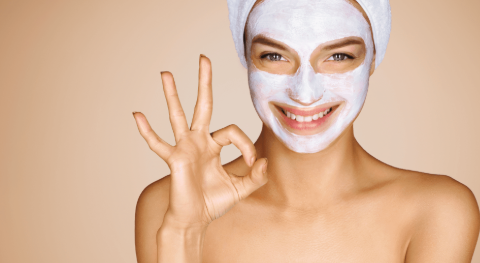
Skincare is an essential part of personal health and hygiene. It not only enhances physical appearance but also supports overall skin health. A good skincare routine helps maintain the skin’s natural glow, prevent common issues like acne and dryness, and protect against environmental damage. In this article, we will explore the basics of skincare, identify different skin types, and outline steps for building an effective routine.
Why Skincare Matters
The skin is the body’s largest organ, acting as a barrier against environmental pollutants, harmful UV rays, and bacteria. Healthy skin performs its protective functions better and contributes to overall well-being.
Benefits of Skincare:
- Prevents and treats issues like acne, dryness, and sensitivity.
- Delays signs of aging such as wrinkles and fine lines.
- Maintains the skin barrier, locking in moisture and shielding against harmful elements.
- Boosts self-confidence by enhancing your appearance.
Understanding Your Skin Type
Knowing your skin type is the first step in creating a skincare routine that works.
- Normal Skin: Balanced in oil and moisture, with minimal imperfections.
- Oily Skin: Produces excess sebum, often resulting in shine and acne.
- Dry Skin: Lacks moisture, causing tightness or flakiness.
- Combination Skin: A mix of oily and dry areas, typically with an oily T-zone (forehead, nose, chin).
- Sensitive Skin: Prone to redness, irritation, and reactions to products or environmental factors.
The Basic Skincare Routine
An effective skincare routine typically involves three key steps: cleansing, moisturizing, and protecting. You can add more steps for targeted treatments as needed.
1. Cleansing
Cleansing removes dirt, oil, and impurities that accumulate throughout the day.
- Use a gentle cleanser suitable for your skin type (e.g., gel cleansers for oily skin, cream cleansers for dry skin).
- Avoid over-cleansing, which can strip your skin’s natural oils.
2. Moisturizing
Moisturizers hydrate the skin and lock in moisture.
- For oily skin, choose a lightweight, oil-free moisturizer.
- For dry skin, opt for rich, hydrating creams.
3. Sun Protection
Sunscreen is essential to protect against harmful UV rays, which can cause premature aging and skin cancer.
- Use a broad-spectrum sunscreen with SPF 30 or higher.
- Reapply every two hours if you’re exposed to sunlight.
Optional Skincare Steps
Exfoliation
Exfoliation removes dead skin cells, unclogs pores, and improves texture.
- Use chemical exfoliants (like AHA or BHA) for gentle results.
- Limit exfoliation to 1-2 times a week to avoid irritation.
Targeted Treatments
Serums or spot treatments address specific skin concerns.
- For Acne: Salicylic acid, benzoyl peroxide, or tea tree oil.
- For Dark Spots: Vitamin C, niacinamide, or alpha arbutin.
- For Anti-Aging: Retinol, peptides, and hyaluronic acid.
Product Recommendations
- Cleansers: Gel, foam, or cream-based cleansers depending on skin type.
- Toners: Balances the skin’s pH and preps it for serums or moisturizers.
- Moisturizers: Hydrating formulas tailored to your skin type.
- Sunscreens: Broad-spectrum with at least SPF 30 for daily use.
Skincare Tips for Specific Concerns
- Acne-Prone Skin: Opt for oil-free, non-comedogenic products.
- Aging Skin: Use retinol and antioxidants like Vitamin C to reduce wrinkles.
- Hyperpigmentation: Incorporate brightening agents like alpha arbutin and niacinamide.
- Sensitive Skin: Stick to fragrance-free, hypoallergenic products with soothing ingredients.
General Skincare Tips
- Patch Test New Products: Always test on a small area to avoid adverse reactions.
- Stay Hydrated: Drink plenty of water to support skin health.
- Don’t Skip Sunscreen: Protect your skin even on cloudy days.
- Consistency is Key: Follow your routine daily for at least 4-6 weeks to see results.
The Role of Lifestyle in Skincare
Your lifestyle significantly impacts your skin. Avoid smoking, which accelerates aging, and manage stress through relaxation techniques like yoga or meditation. Regular exercise promotes better blood flow, giving your skin a healthy glow.
Conclusion
Skincare is an essential self-care practice that ensures healthy, radiant skin. By understanding your skin type and concerns, you can create a routine tailored to your needs. Consistency, the right products, and a healthy lifestyle can help your skin thrive and give you the confidence that comes with glowing, healthy skin.

